
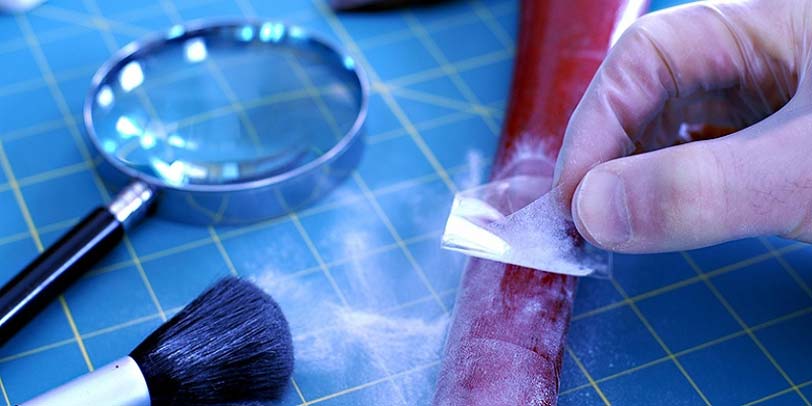
In recent decades, the use of forensic science in criminal investigations has skyrocketed. In the media, TV crime dramas like CSI: Crime Scene Investigation portray forensic evidence collection and analysis as a flawless science that can quickly and accurately identify the perpetrator. Yet time and again, inaccurate or misleading forensic evidence and testimony has helped to convict the wrong person.
Dennis Fritz and Ron Williamson were convicted of a crime they didn’t commit based on microscopic hair comparison – a notoriously unreliable forensic test. Williamson was sent to death row and Fritz spent a decade in prison before DNA testing proved their innocence. Brandon Moon, another innocent man, went to prison for seventeen years after a state forensic crime lab analyst gave erroneous testimony at his trial.
Flawless? According to a recent study, faulty forensic evidence or testimony was a contributing factor in nearly sixty percent of the first 200 DNA exonerations. While a few of those cases involved deliberate misconduct, most problems result from inadvertent errors due to the fact that many areas of forensic analysis involve discretionary interpretations by individual analysts.
Fortunately, there are simple steps that can be taken to ensure the integrity of forensic testing and analysis.
Today, The Justice Project is releasing Improving the Practice and Use of Forensic Science: A Policy Review. The policy review provides an overview of the problems with certain forensic science policies and procedures, offers solutions to these problems, profiles cases of injustice, highlights states with good laws and procedures, and includes a model policy to ensure the objectivity and reliability of forensic evidence.
Substantive, independent oversight is the first step. Forensic crime labs often operate with little or no oversight, and few states have established statutory standards to ensure the objectivity, reliability, and efficiency of forensic testing and analysis. To improve accountability, states should create independent commissions to oversee forensic science laboratories. The commissions would be responsible for implementing standards for laboratory performance, overseeing analyst training and continuing education, and instituting safeguards to ensure accurate testimony.
Often, bias is inadvertent. Information such as details of the crime, names of suspects, and the expected result can impact an analyst’s objectivity. In one study, experienced examiners were given fingerprints they had correctly identified in the past along with made up information, such as that the suspect had confessed. With the additional information, these examiners misidentified seventeen percent of the fingerprints.
Given that, states should require all forensic labs to develop internal structures and policies to prevent unintentional bias in testing and analysis. The use of an evidence control officer, for instance, could manage the flow of information from law enforcement to ensure that analysts receive only the information necessary to test the evidence.
Ideally, all laboratories should be independent from law enforcement and prosecutorial agencies to eliminate bias from the process. Instead nearly all state forensic labs are under the jurisdictions of police departments or the attorneys general. As a result, analysts may come to see their role as part of the “crime fighting team” rather than as neutral and objective agents of science. Independence helps labs become neutral environments dedicated to scientific procedures that ensure accurate and reliable testing.
The demands on forensic laboratories and the high stakes involved demand that analysts receive proper scientific training and are certified before they are allowed to perform forensic analysis or testify in criminal trials. Laboratories should also adopt a strong ethical code to help analysts understand the serious nature of their responsibilities and to guide them through the sometimes challenging ethical waters they face.
Of course none of these reforms can be achieved without sufficient funding. In many states, funding for forensic laboratories has remained constant despite a dramatic increase in workload. And low salaries make it difficult for forensic laboratories to hire and retain highly qualified analysts. Salaries must be competitive with other job opportunities to attract the best and brightest applicants.
While forensic laboratories have yielded critical evidence in countless cases, preventable error has subverted justice, convicted the innocent, and jeopardized public safety. Law enforcement, prosecutors, defense attorneys, and the public at large all have a vested interest in making sure reforms are implemented to reduce the risk of mistakes and to elevate the quality and objectivity of forensic evidence and testimony.