
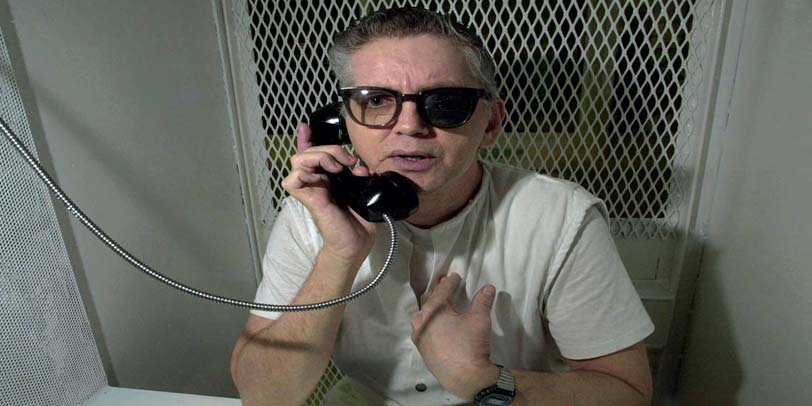
Texas murder convict Calvin Burdine came within hours of execution in August of 1987, despite having had a lawyer who slept for periods of up to ten minutes throughout the trial. Fortunately, the court granted him a stay of execution, and Burdine appealed his conviction on the grounds that his public defense attorney, Joe Cannon, had fallen short of the adequate counsel provided for by the Sixth Amendment.
In June 2000, appealing a state court’s decision to grant Burdine a retrial, the Texas Solicitor General’s office argued to a panel of the Fifth Circuit Court that Burdine’s Sixth Amendment rights were never in question, since a sleeping lawyer is no different from a lawyer who is intoxicated, under the influence of drugs, suffering from Alzheimer’s disease or having a psychotic break. In spite of previous testimony by three jurors and a court reporter stating that Cannon had often slept during the trial, the panel ultimately upheld Burdine’s conviction and sentence because the record did not show that Cannon had slept through “crucial” parts of the trial.
Seventeen years after Burdine’s conviction, and after several appeals processes, the U.S. Court of Appeals for the Fifth Circuit overturned the panel’s ruling on August 13, 2001 and Burdine finally won the right to a retrial. Afterward his appeals lawyer Robert McGlasson said, “The court’s opinion…establishes the simple truth that the right to counsel surely must mean an attorney who not only stays awake, but indeed provides vigorous advocacy throughout all phases of the criminal proceeding, and especially during the trial.”
Since the decision in Burdine’s case, Congress has passed the Innocence Protection Act, instituting basic and enforceable standards for court-appointed counsel and including reasonable measures encouraging states to provide qualified and experienced lawyers to all defendants facing the death penalty.