
This week Rolando Cruz celebrated the 13th anniversary of his exoneration from Illinois’ death row. Cruz was wrongfully convicted in 1983 due in large part to a co defendant’s statements implicating him. Even though Cruz was never physically linked to the crime scene, DNA evidence did exist. With the help of a volunteer legal team led by Professor Lawrence C. Marshall at Northwestern University Law School, Cruz was able to secure DNA testing on the evidence found near the crime scene which proved he could not have committed this crime.
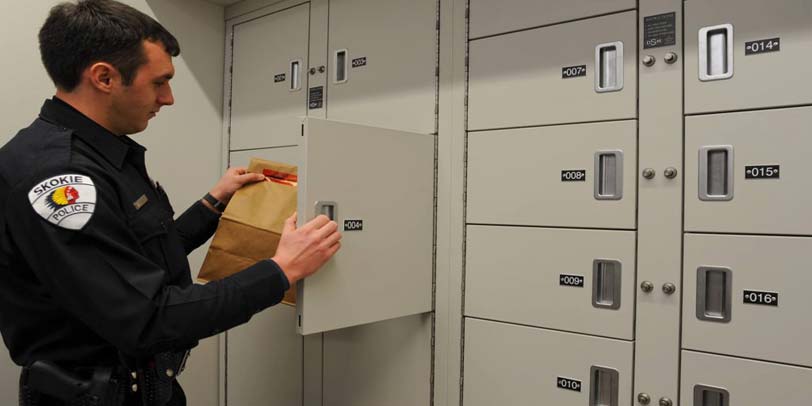
Cruz’s case is a chilling example of the need to preserve biological evidence. Cruz was lucky that the DNA evidence from the case had been preserved in order to facilitate the testing that would eventually prove his innocence. Some are not so lucky. For the past 27 years Raymond Grice of New Jersey has been imprisoned for two rapes for which he insists he is innocent. The opportunity to prove such innocence was lost when the evidence in Grice’s case was destroyed.
The evidence was destroyed because New Jersey law fails to protect DNA and biological evidence in criminal cases. Twenty-five states, including New Jersey, have no laws that mandate the preservation of physical evidence for the entire length of an inmate’s sentence. In New Jersey, each individual jurisdiction determines how long evidence should be kept by police and prosecutors, allowing evidence to be prematurely destroyed, and denying the wrongfully convicted a chance to prove his or her innocence.
The Justice Project’s policy review Improving Access to Post-Conviction DNA Testing argues for the preservation of biological evidence throughout a defendant’s entire sentence. To date, post-conviction DNA testing has lead to the exoneration of more than 200 wrongfully convicted individuals in the United States. But testing cannot take place unless the evidence is preserved.
It is absolutely critical that states like New Jersey enact statutes that require the preservation of biological evidence. Post-conviction DNA testing is a powerful tool that can help correct grave errors in the criminal justice system.
Without such testing, innocent people like Rolando Cruz would still be languishing in prison today and inmates with credible claims of innocence will be forced to suffer through the profound injustice of wrongful incarceration.